






Tertroxin: Understanding Liothyronine, T3 Thyroid Hormones and Their Medical Role
The Connection Between Tertroxin and Thyroid Hormone Function
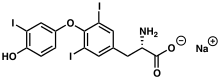
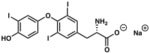
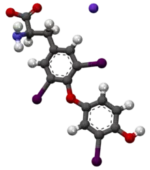
The thyroid gland plays an important role in regulating how the body uses energy, maintains temperature and supports normal metabolic activity. It produces hormones that influence several essential physiological processes, particularly triiodothyronine (T3) and thyroxine (T4). Tertroxin is a prescription medicine associated with this hormonal system, containing liothyronine sodium, a synthetic form of the naturally occurring thyroid hormone T3.
Unlike treatments that supply thyroxine (T4), Tertroxin provides T3 directly. This distinction is important because T3 is the more biologically active thyroid hormone at many target tissues. Its actions influence cellular activity, energy utilisation and metabolic regulation. Understanding this relationship helps explain why liothyronine has a specific place in the medical management of certain thyroid conditions.
What Is Tertroxin Used for in Humans?
Tertroxin is a prescription medicine containing liothyronine sodium, a synthetic form of the thyroid hormone triiodothyronine (T3). It is used in the treatment of thyroid hormone deficiency, including severe hypothyroid conditions and coma associated with extremely low thyroid hormone levels. It may also be prescribed alongside other medicines in selected cases of thyrotoxicosis, including Graves’ disease, and to address thyroid hormone deficiency following treatment for an overactive thyroid. By supplying T3 directly, liothyronine helps support the body’s normal metabolic processes. Its use requires medical supervision because excessive thyroid hormone can cause significant cardiovascular and other adverse effects.
Inside the Active Ingredient: What Is Liothyronine Sodium?
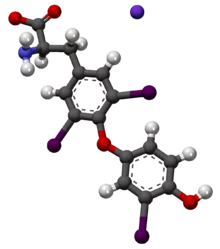
Liothyronine sodium is the active pharmaceutical ingredient in Tertroxin. It is a synthetic form of triiodothyronine, commonly abbreviated as T3.
Under normal physiological conditions, the thyroid gland produces both T3 and T4. A substantial proportion of the body’s circulating T3 is also generated when tissues convert T4 into T3 through specialised enzymes known as deiodinases.
Liothyronine provides T3 without requiring this conversion step. Once available to target tissues, thyroid hormones interact with specific receptors and influence the expression of genes involved in metabolic regulation, growth and development.
This direct supply of T3 is what distinguishes liothyronine from levothyroxine, which provides synthetic T4.
How T3 Influences Metabolic Activity in the Body
Thyroid hormones participate in a wide range of biological processes. T3 is particularly important because it acts directly on thyroid hormone receptors in many tissues.
Its physiological activities include:
• Energy metabolism: Influences how cells utilise nutrients and produce energy.
• Body temperature regulation: Contributes to the processes involved in maintaining normal body temperature.
• Cardiovascular function: Helps regulate heart rate, cardiac activity and the body’s response to circulating hormones.
• Nervous system development: Supports normal neurological development and function.
• Protein and lipid metabolism: Influences the synthesis, breakdown and utilisation of important biological molecules.
These effects demonstrate why maintaining an appropriate thyroid hormone balance is important. Both insufficient and excessive thyroid hormone activity can affect multiple organ systems.
Clinical Situations in Which Tertroxin Is Used
Tertroxin has recognised medical applications involving thyroid hormone deficiency and selected thyroid-related conditions. Its use depends on the clinical situation, laboratory findings and the judgement of the treating specialist.
According to Australian medicine information, its recognised applications include:
• Thyroid hormone deficiency: Liothyronine may be prescribed in selected cases involving low thyroid hormone levels.
• Severe thyroid deficiency: It has a role in managing certain severe hypothyroid states where specialist assessment identifies a need for T3 replacement.
• Myxoedema coma: This is a rare, life-threatening complication of severe hypothyroidism. Liothyronine may be used as part of specialist-directed hospital treatment.
• Thyroid hormone changes during treatment of thyrotoxicosis: Tertroxin may be used alongside antithyroid treatment in selected circumstances to manage treatment-related thyroid hormone deficiency.
It is important to recognise that Tertroxin is not automatically the preferred treatment for every person with hypothyroidism. Levothyroxine (T4) is generally the standard treatment for routine thyroid hormone replacement.
Tertroxin and Levothyroxine: Two Different Forms of Thyroid Hormone
Although both medicines are used in thyroid-related treatment, they supply different hormones and have different pharmacological characteristics.
Liothyronine provides T3 directly, while levothyroxine supplies T4, which the body can convert into T3 according to its physiological requirements.
The distinction can be understood through their respective roles:
• Tertroxin (Liothyronine): Supplies synthetic T3, the biologically active thyroid hormone.
• Levothyroxine: Supplies synthetic T4, which acts as a circulating hormone reserve and can be converted into T3 in body tissues.
These medicines are not interchangeable on a simple microgram-for-microgram basis. Their selection depends on the patient’s thyroid condition, treatment response and medical assessment.
Pharmaceutical Composition and Product Characteristics
The Australian Tertroxin tablet formulation contains liothyronine sodium as its active ingredient.
According to the Australian Consumer Medicine Information, the tablets have the following characteristics:
Active ingredient: Liothyronine sodium
Strength: 20 micrograms per tablet
Dosage form: Oral tablet
Appearance: White, biconvex, uncoated tablet with a break line
Pack presentation: Bottle containing 100 tablets
Other ingredients include lactose monohydrate, maize starch, acacia, sodium chloride and magnesium stearate. The presence of lactose is relevant for individuals with known allergies or sensitivities to ingredients in the formulation.
Product specifications should always be checked against the current manufacturer’s information because pharmaceutical presentations may differ between markets.
Safety Profile: Understanding the Effects of Excess Thyroid Hormone
Because T3 influences several body systems, the amount of thyroid hormone available to tissues is an important consideration during treatment.
Excessive thyroid hormone activity may produce symptoms resembling an overactive thyroid gland. These can include nervousness, irritability, headaches, diarrhoea, flushing, muscle cramps and changes in heart rhythm.
More serious symptoms can include palpitations, chest discomfort and significant cardiovascular effects.
People with existing heart conditions, angina, adrenal disorders or diabetes require particular medical consideration. Tertroxin can also interact with other medicines, including certain anticoagulants, epilepsy treatments, diabetes medicines and cardiovascular medications.
Pregnancy and breastfeeding also require individual medical assessment before treatment decisions are made.
Tertroxin is a prescription-only medicine in Australia. Its dosage and suitability must be determined by an appropriately qualified healthcare professional. It should not be used for weight loss or metabolic enhancement in people without an appropriate medical indication.
Final Overview: Why Tertroxin Has a Distinct Role in Thyroid Treatment
Tertroxin represents a specific approach to thyroid hormone therapy because it supplies liothyronine, the synthetic form of T3. Its direct relationship with active thyroid hormone signalling distinguishes it from T4-based treatments and explains its specialised medical applications.
From influencing cellular metabolism to supporting the management of selected thyroid deficiency conditions, liothyronine has an established role in thyroid medicine. However, its effects extend across several organ systems, making appropriate prescribing, monitoring and individual assessment essential.
Understanding the active ingredient, physiological function and clinical limitations of Tertroxin provides a clearer picture of its place in modern thyroid treatment.
Tertroxin,
liothyronine vs T3,
T3,
Liothyronine.