
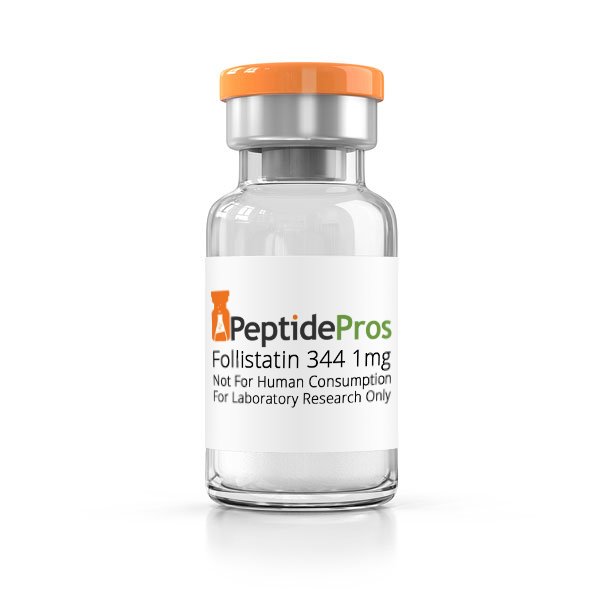



Buy Follistatin 344: Understanding the Science, Research and Potential Applications
Follistatin 344 (FS344) is an experimental protein that has attracted scientific interest because of its relationship with myostatin, activin signalling and skeletal muscle development. Its unique biological characteristics have made it a subject of investigation in molecular biology, particularly in studies exploring how different proteins regulate cellular activity and tissue development.
For people searching for information about Buy Follistatin 344, understanding the science behind this protein involves more than looking at its potential applications. It also requires examining its molecular structure, how it interacts with other signalling proteins and what existing research actually tells us.
Follistatin naturally participates in several biological processes. Its ability to bind proteins such as myostatin and activin has made it particularly interesting to researchers investigating the mechanisms responsible for regulating muscle-related pathways and cellular communication.
This article explores the background of Follistatin 344, its biological interactions, current research directions and important considerations surrounding experimental protein materials.
What Is Follistatin 344?
Follistatin 344, commonly abbreviated as FS344, is a precursor form of follistatin, a naturally occurring glycoprotein found in various mammalian tissues.
One of its defining characteristics is its ability to bind selected members of the transforming growth factor-beta (TGF-β) superfamily. These include myostatin and activin, two signalling proteins involved in different aspects of biological regulation.
Follistatin does not function like a conventional anabolic hormone or androgen receptor agonist. Instead, it acts as a binding protein that can regulate the availability of specific signalling molecules within biological systems.
Myostatin, also known as growth differentiation factor 8 (GDF-8), is particularly important in skeletal muscle biology because it helps regulate muscle development.
The relationship between these proteins has encouraged scientific investigations into how follistatin influences muscle-related signalling pathways.
For anyone exploring Buy Follistatin 344, it is important to understand that the naturally occurring protein, recombinant research materials and experimental gene-transfer approaches are not interchangeable.
Follistatin 344: Potential Benefits and Biological Effects
Follistatin 344 has generated scientific interest because of its involvement in biological pathways associated with muscle regulation, cellular development and tissue signalling.
Much of this interest comes from its interaction with myostatin, a protein that naturally limits skeletal muscle growth. By binding to myostatin, follistatin can influence the signalling processes involved in this regulatory system.
Researchers have consequently investigated several areas of potential biological significance:
Skeletal muscle regulation: Studies examine how follistatin and myostatin interact within the biological mechanisms responsible for controlling muscle development.
Cellular activity: Follistatin provides an opportunity to investigate how extracellular proteins influence communication between cells.
Tissue development: Its relationship with TGF-β superfamily proteins makes it relevant to studies examining tissue formation and biological regulation.
Activin-related processes:Follistatin also binds activins, which participate in several biological functions, including cellular differentiation and reproductive regulation.
Although these research areas are scientifically interesting, they should not be interpreted as established benefits of commercially available injectable Follistatin 344. Human safety, effectiveness and clinical applications remain insufficiently established.
The Molecular Science Behind Follistatin 344
To understand why follistatin has become an important research subject, it helps to examine its relationship with the TGF-β superfamily.
This family contains numerous signalling proteins responsible for coordinating different biological activities. Depending on the specific protein and receptor involved, these signals can influence cellular growth, differentiation and tissue development.
Follistatin interacts with selected proteins within this family by binding to them outside the cell.
Two particularly important areas of investigation are:
Myostatin Signalling
Myostatin is a regulatory protein that helps control skeletal muscle development. It communicates with cells through specific receptors, including activin type II receptors, initiating signalling processes that influence muscle growth regulation.
Follistatin can bind myostatin and limit its interaction with these receptors.
This relationship provides researchers with a useful model for studying the molecular mechanisms responsible for regulating skeletal muscle tissue.
Activin Signalling
Activins are another group of proteins regulated by follistatin. They participate in several biological processes, including cellular differentiation, reproductive hormone regulation and tissue development.
By binding activins, follistatin influences their availability within biological systems.
This is an important distinction because follistatin activity is not limited to myostatin alone. Its broader interactions make it relevant to several areas of molecular and cellular research.
Exploring the Research Background of Follistatin 344
Scientific investigations involving follistatin have developed across different experimental settings. These include laboratory-based studies, animal models and human research involving specialised gene-transfer techniques.
Each research approach contributes different information about the protein’s biological characteristics.
Laboratory and Cellular Research
Laboratory investigations have helped scientists examine how follistatin interacts with myostatin and activin at the molecular level.
These studies provide opportunities to investigate protein binding, signalling activity and the mechanisms through which extracellular proteins influence cellular communication.
Preclinical Animal Investigations
Animal research has explored the relationship between follistatin activity and skeletal muscle characteristics.
Some experimental models have reported changes in muscle mass and tissue-related measurements following follistatin-related interventions.
However, animal findings cannot establish that a commercially available recombinant protein will produce similar outcomes in humans.
Human Gene-Transfer Research
Human investigations have also explored follistatin through gene-transfer approaches, including adeno-associated virus (AAV) delivery systems.
These approaches involve introducing genetic instructions that enable cells to produce follistatin.
It is essential to distinguish this research from the administration of standalone lyophilised Follistatin 344 protein. The delivery methods, biological mechanisms and research requirements are different.
Consequently, findings from gene-transfer studies should not be presented as proof of the safety or effectiveness of commercially available injectable formulations.
Follistatin 344 and Myostatin: Understanding Their Relationship
The connection between follistatin and myostatin is one of the most widely discussed aspects of this research protein.
Myostatin acts as a natural regulator of skeletal muscle development. It helps prevent excessive muscle growth by activating signalling pathways that influence muscle cell activity.
Follistatin interacts with this system by binding to myostatin, reducing its ability to engage with the receptors responsible for transmitting its biological signals.
This interaction has become particularly interesting to researchers because it provides insight into how muscle development is regulated at a molecular level.
Rather than viewing the relationship as a simple muscle-growth mechanism, scientists examine the wider signalling network involved, including receptor activity, protein interactions and downstream cellular responses.
Understanding these processes is essential when evaluating scientific information about Follistatin 344.
What Does Scientific Research Tell Us About Follistatin 344?
Existing research provides useful information about follistatin’s biological activity, but the evidence must be considered in the context of the experimental methods used.
Laboratory studies help explain its molecular interactions, while animal investigations provide additional information about its potential biological effects.
Human research, meanwhile, has explored specialised approaches such as gene transfer rather than establishing a validated clinical protocol for standalone injectable Follistatin 344 protein.
There are therefore important distinctions between:
• Demonstrating that a protein can bind to a particular signalling molecule.
• Observing biological changes in an experimental animal model.
• Investigating gene-transfer techniques in human clinical research.
• Establishing the safety and effectiveness of a commercially supplied recombinant protein in humans.
These are different levels of scientific evidence.
For anyone researching Buy Follistatin 344, recognising these differences is important when interpreting product descriptions, research summaries and claims about potential applications.
## Quality and Research Material Considerations
When evaluating recombinant protein materials, product identity and analytical documentation are important considerations.
Follistatin 344 is a relatively large glycoprotein precursor, meaning its structural characteristics require appropriate assessment. General peptide quality descriptions may not provide sufficient information about the identity and integrity of a complex protein.
Researchers evaluating suppliers may consider several documentation points:
Protein identification: Documentation should clearly identify the material as Follistatin 344 and distinguish it from other follistatin isoforms.
Certificate of Analysis: Batch-specific documentation helps establish which analytical results relate to the particular material being supplied.
Purity assessment: Analytical results should identify the testing method used. Purity percentages alone do not establish correct protein folding or biological activity.
Molecular characterisation: Appropriate analytical techniques can help assess molecular identity and structural characteristics.
Storage information: Storage recommendations should be supported by relevant product stability information rather than generic assumptions.
Shipping transparency: Clear information about packaging and transport conditions helps researchers assess whether appropriate handling measures have been considered.
These considerations provide a more reliable foundation for evaluating research materials than relying exclusively on promotional descriptions.
Safety Considerations and Research Limitations
Despite the scientific interest surrounding follistatin, several important questions remain unresolved.
One consideration is its broad biological activity. Because follistatin interacts with activin as well as myostatin, influencing its activity may affect biological processes beyond skeletal muscle regulation.
Another consideration is the difference between experimental protein research and clinical treatment. Findings from laboratory experiments and animal models cannot independently establish the safety of human administration.
Important limitations include:
• No established human dosage for injectable Follistatin 344 as a muscle-building treatment.
• Insufficient long-term safety information for commercially available injectable formulations.
• Limited clinical evidence supporting therapeutic applications.
• Uncertainty surrounding the broader consequences of altering multiple signalling pathways.
• Differences between recombinant protein administration and gene-transfer research.
Follistatin 344 should therefore be understood as an experimental research material, not an established treatment or approved muscle-building product.
It should not be represented as suitable for human consumption, self-administration or medical treatment.
Competitive athletes should also be aware that myostatin inhibitors are prohibited under the World Anti-Doping Agency’s Prohibited List.
Frequently Asked Questions About Buy Follistatin 344
What is Follistatin 344?
Follistatin 344 is a precursor form of follistatin, a naturally occurring glycoprotein involved in regulating biological signalling pathways. It is particularly studied for its interactions with myostatin and activin.
Why is Buy Follistatin 344 a popular research-related search?
The phrase reflects interest in the protein’s molecular characteristics and its relationship with myostatin and skeletal muscle regulation. Its scientific background has attracted attention in experimental protein research.
What is the main function of Follistatin 344?
Follistatin binds selected signalling proteins, including myostatin and activin. These interactions can influence their biological availability and activity.
How does Follistatin 344 differ from other peptides?
Follistatin 344 is a 344-amino-acid glycoprotein precursor, making it structurally more complex than many short-chain research peptides. Its production and characterisation involve considerations associated with larger recombinant proteins.
Is Follistatin 344 the same as FS315?
No. FS344 refers to a precursor form of follistatin, whereas FS315 is a processed isoform. They have different structural characteristics and biological distribution.
Has Follistatin 344 been proven to increase muscle mass in humans?
No established clinical evidence demonstrates that commercially available injectable Follistatin 344 products are safe and effective for increasing muscle mass in humans. Preclinical findings and gene-transfer investigations should not be treated as proof of effectiveness for standalone protein formulations.
Is there an established dosage for Follistatin 344?
There is no validated human dosage for injectable Follistatin 344 as a muscle-building treatment. Experimental findings should not be used to establish a self-administration protocol.
What should researchers understand before researching Follistatin 344?
Researchers should understand its molecular structure, interactions with myostatin and activin, experimental research background, analytical quality requirements and the limitations of existing clinical evidence.
Final Thoughts on Buy Follistatin 344
Follistatin 344 remains an interesting subject in experimental protein research because of its relationship with myostatin, activin and several important biological signalling pathways.
Its scientific relevance extends beyond skeletal muscle regulation, offering researchers opportunities to investigate protein interactions, cellular communication and the mechanisms involved in tissue development.
For anyone exploring Buy Follistatin 344 , understanding the underlying science is an important starting point. Examining its molecular characteristics, research history and analytical quality considerations provides a more balanced perspective on this specialised protein.
Although existing investigations have contributed valuable insights into follistatin biology, further research is needed to establish its potential clinical applications and long-term safety.
Buy Follistatin 344,
Follistatin 344 research,
recombinant Follistatin 344,
Follistatin 344 COA,
lab grade FST-344.