What is Adipotide Peptide and How Does It Work?
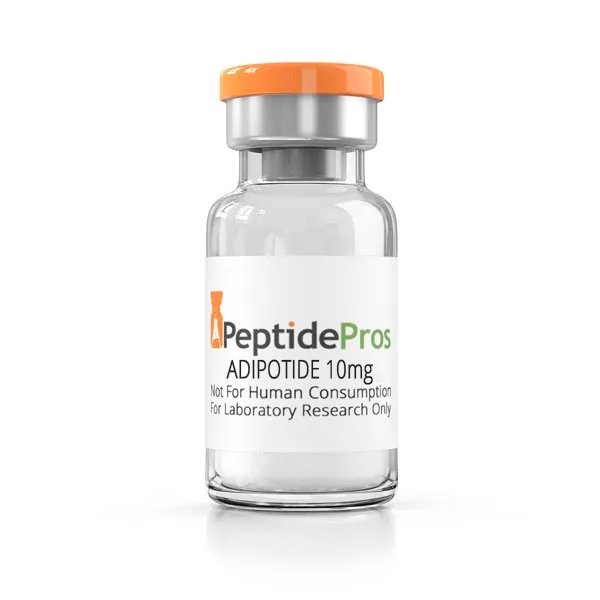
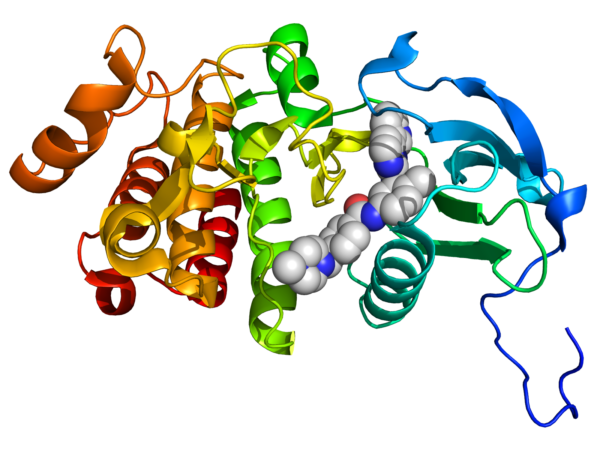
Adipotide (also known as FTPP or Prohibitin-TP01) is an experimental synthetic peptidomimetic engineered for targeted fat loss research. Unlike traditional metabolic boosters or appetite suppressants that rely on central nervous system stimulation, Adipotide utilizes a unique targeted mechanism known as vascular ablation. The peptide functions via a dual-domain structure: a targeting domain (CKGGRAKDC) that homes in on prohibitin receptors located specifically in the blood vessels feeding white adipose tissue, and a proapoptotic domain (D(KLAKLAK)2) that triggers programmed cell death. By systematically cutting off the blood supply to white fat deposits, Adipotide starves the adipose cells, forcing them to collapse and be naturally metabolized and excreted by the body.
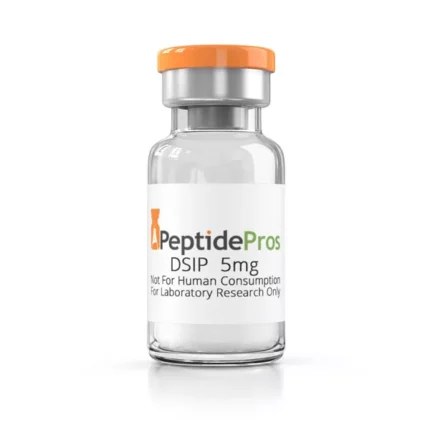
Adipotide Peptide
Preclinical trials studying the Adipotide-peptide demonstrated significant potential for rapid fat reduction, particularly in non-human primates. In landmark studies on obese Rhesus macaques, daily administration of Adipotide peptide led to an average 10.6% reduction in total body weight over 28 days, along with a 27% reduction in abdominal fat mass. Beyond physical fat loss, subjects receiving Adipotide peptide showed major improvements in metabolic health, including reduced insulin resistance. Notably, fat loss occurred without dietary restrictions, positioning Adipotide peptide as a significant breakthrough in anti-obesity research models.
Research Applications of Adipotide Peptide
Despite promising fat-loss results, research into Adipotide-peptide was largely halted due to severe safety risks, primarily involving kidney damage. Animal studies revealed that Adipotide peptide causes dose-dependent renal tubular toxicity, leading to lesions and stress within proximal kidney tubules. This toxicity manifests clinically through elevated serum creatinine, transient glucosuria (sugar in urine), and proteinuria (protein in urine). Because the kidneys filtration system processes Adipotide peptide, high concentration levels induce localized cellular apoptosis, creating a high risk of acute kidney injury.
Why Choose High-Quality Adipotide Peptide?
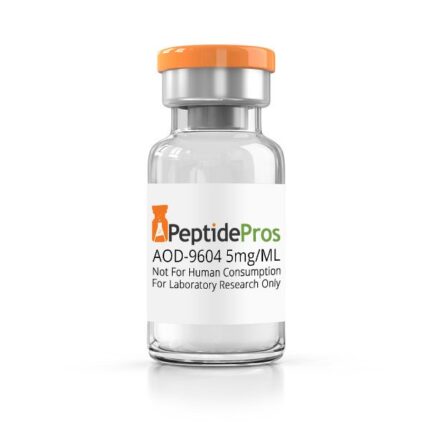
Selecting a premium Adipotide Peptide is essential for obtaining reliable and reproducible research results. High-quality research peptides should be manufactured to strict standards and supplied with a Certificate of Analysis (COA) to verify purity and identity. Proper packaging, batch testing, and recommended storage conditions help maintain the integrity and stability of Adipotide-Peptide throughout the research process.