Finasteride: Understanding Propecia 1 mg, Proscar 5 mg and DHT
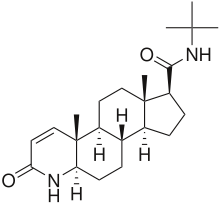
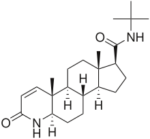
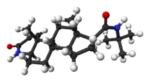
Finasteride is a pharmaceutical compound classified as a 5-alpha-reductase inhibitor. It has been extensively studied for its ability to reduce dihydrotestosterone (DHT), an androgen hormone involved in hair follicle activity and prostate tissue development.
Two recognised branded medications containing this active ingredient are Propecia (1 mg) and Proscar (5 mg). Although they contain the same compound, they have different strengths and established medical indications.
Understanding the relationship between testosterone, DHT and the biological activity of this medication provides useful insight into its pharmaceutical properties, clinical applications and potential safety considerations.
What Is Finasteride?
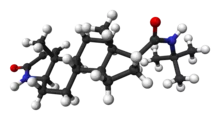
Finasteride is a synthetic pharmaceutical compound that inhibits type II 5-alpha-reductase, an enzyme responsible for converting testosterone into dihydrotestosterone.
DHT is a potent androgen that contributes to the development and maintenance of certain male characteristics. It also influences androgen-sensitive tissues, particularly the prostate gland and hair follicles.
By reducing DHT production, the medication influences hormonal activity in these tissues. This mechanism provides the scientific basis for its established applications in male pattern hair loss and benign prostatic hyperplasia (BPH).
How Does Finasteride Work in the Body?
The primary mechanism involves inhibition of the type II 5-alpha-reductase enzyme.
Under normal biological conditions, this enzyme converts testosterone into DHT. By limiting this conversion, the medication reduces circulating and tissue concentrations of DHT.
Unlike medications that directly block androgen receptors, it works by influencing the enzymatic process responsible for DHT production.
This distinction is important because DHT activity is associated with different biological effects depending on the tissue involved.
The Relationship Between Testosterone and DHT
Testosterone is an androgen hormone involved in male reproductive development, muscle physiology, bone health and other biological functions.
A portion of testosterone is converted into DHT through 5-alpha-reductase enzymes. DHT has a stronger binding affinity for androgen receptors than testosterone.
In genetically susceptible individuals, DHT activity around scalp hair follicles is associated with progressive follicular miniaturisation, contributing to male pattern hair loss.
Within the prostate, DHT contributes to tissue growth and maintenance. Reducing its production therefore provides the biological explanation behind the two established medical applications of this compound.
Propecia 1 mg: Its Role in Male Pattern Hair Loss
<text color=”secondary” size=”sm”>Pharmaceutical formulation</text>
<AsyncImage query=”Propecia 1mg finasteride pharmaceutical medicine packaging tablet product” aspectRatio=”16:9″ maxHeight={150} fit=”contain”/>
Propecia is a branded medication containing 1 mg of Finasteride per tablet. Its established indication is male pattern hair loss, also known as androgenetic alopecia, in adult men.
This condition is influenced by genetic susceptibility and hormonal activity. Over time, susceptible hair follicles become progressively smaller, producing thinner and shorter hairs.
By reducing DHT production, the medication influences one of the biological pathways associated with this condition.
Individual responses can vary, and treatment outcomes are not necessarily identical for every person. Propecia is not indicated for women or children.
Proscar 5 mg: Understanding Its Connection With Prostate Health
<text color=”secondary” size=”sm”>Pharmaceutical formulation</text>
<AsyncImage query=”Proscar 5mg finasteride pharmaceutical medicine packaging tablets” aspectRatio=”16:9″ maxHeight={150} fit=”contain”/>
Proscar contains 5 mg of the same active pharmaceutical ingredient per tablet. Its established indication is benign prostatic hyperplasia (BPH) in men with an enlarged prostate.
BPH is a non-cancerous enlargement of the prostate gland that can affect normal urinary function.
Common symptoms include:
• A weaker or interrupted urinary stream.
• Difficulty starting urination.
• Frequent urination, particularly at night.
• A feeling that the bladder has not emptied completely.
• Increased urinary urgency.
By reducing DHT production within prostate-related tissues, treatment can contribute to a reduction in prostate volume and improvement in certain urinary symptoms over time.
Proscar is not a treatment for prostate cancer and is not indicated for women or children.
Propecia 1 mg vs Proscar 5 mg: Key Differences
Although both branded products contain the same active ingredient, their strengths and established medical applications differ.
| Specification | Propecia | Proscar |
|---|---|---|
| Active ingredient | Finasteride | Finasteride |
| Strength | 1 mg | 5 mg |
| Drug classification | 5-alpha-reductase inhibitor | 5-alpha-reductase inhibitor |
| Established indication | Male pattern hair loss | Benign prostatic hyperplasia |
| Biological target | Type II 5-alpha-reductase | Type II 5-alpha-reductase |
| Medical context | Hair follicle biology | Prostate tissue biology |
The different strengths are associated with separate medical indications. One formulation should not automatically be substituted for another without appropriate medical guidance.
Potential Biological Effects and Research Applications
The pharmacological activity of this compound has attracted scientific interest because of its influence on androgen metabolism.
Three important areas of investigation include:
1. DHT production: Inhibition of type II 5-alpha-reductase reduces the conversion of testosterone into DHT.
2. Hair follicle biology: Reduced DHT activity can influence the hormonal environment associated with follicular miniaturisation in genetically susceptible men.
3. Prostate tissue: Lower DHT concentrations can influence prostate volume and certain symptoms associated with benign prostatic hyperplasia.
These processes demonstrate how one pharmaceutical mechanism can have different effects depending on the tissue involved.
Safety Considerations and Possible Adverse Effects
Although Finasteride has established medical applications, unwanted effects can occur in some individuals.
Reported adverse effects include:
• Reduced sexual desire.
• Erectile difficulties.
• Changes in ejaculation.
• Breast tenderness or enlargement.
• Skin reactions.
• Mood changes and depressive symptoms.
In 2025, the European Medicines Agency (EMA) confirmed suicidal ideation as a possible side effect of oral 1 mg and 5 mg formulations. Its frequency is currently unknown.
Patients experiencing depression or significant mood changes should seek medical advice promptly. Those taking the 1 mg formulation for hair loss are advised by the EMA to stop treatment and contact their healthcare professional if they experience depressed mood, depression or suicidal thoughts.
These considerations highlight the importance of appropriate medical supervision.
PSA Monitoring and Prostate Health
Prostate-specific antigen (PSA) is a blood marker commonly used during prostate health assessments.
Treatment with Finasteride can lower PSA concentrations, which may influence how healthcare professionals interpret test results.
Patients should inform their healthcare providers about their medication history before undergoing prostate-related blood testing.
A rise in PSA during treatment may require further investigation. Treatment does not eliminate the possibility of prostate cancer or replace appropriate medical assessment.
Pregnancy, Handling and Other Precautions
There are important reproductive safety considerations associated with this medication.
It is contraindicated in women who are pregnant or may become pregnant because inhibition of DHT production may interfere with the normal development of external genitalia in a male fetus.
Pregnant women or women who may become pregnant should not handle crushed or broken tablets because the active ingredient may be absorbed through the skin.
The medication is also not indicated for children. Relevant medical history and possible contraindications should be reviewed by a qualified healthcare professional before treatment is considered.
Frequently Asked Questions About Finasteride
1. What is the active ingredient in Propecia and Proscar?
Both medications contain Finasteride. Their main differences are tablet strength and established medical indication.
2. What is the difference between the 1 mg and 5 mg formulations?
The 1 mg formulation is indicated for male pattern hair loss, while the 5 mg formulation is indicated for benign prostatic hyperplasia in men with an enlarged prostate.
3. How does Finasteride affect DHT?
It inhibits type II 5-alpha-reductase, reducing the conversion of testosterone into dihydrotestosterone.
4. Is Finasteride a hormone?
No. It is a pharmaceutical enzyme inhibitor that influences androgen metabolism rather than functioning as a replacement hormone.
5. Can women use Propecia or Proscar?
These formulations are not indicated for women. The medication is contraindicated during pregnancy because of potential risks to the development of a male fetus.
6. Does Finasteride affect PSA testing?
Yes. It can lower PSA concentrations, so healthcare professionals should be informed about its use when interpreting prostate-related blood test results.
Conclusion: Understanding Finasteride and Its Pharmaceutical Applications
Finasteride is an established pharmaceutical compound that influences androgen metabolism through inhibition of type II 5-alpha-reductase.
Its two recognised branded formulations, Propecia 1 mg and Proscar 5 mg, demonstrate how the same active ingredient can have different medical applications depending on formulation strength and clinical indication.
Understanding its relationship with testosterone, DHT, hair follicle biology and prostate tissue provides valuable insight into its pharmacological background.
Equally important are its potential adverse effects, reproductive precautions and implications for prostate monitoring. Accurate scientific information and appropriate medical supervision remain essential when considering prescription medications.
Finasteride side effects,
Finasteride chemist warehouse,
Minoxidil with finasteride,
Finasteride minoxidil,
Propecia and hair loss,
Topical finasteride australia.
Minoxidil finasteride,
DDoes finasteride regrow hair,