Dutasteride 0.5 Mg / ML – Essential Guide To Its Uses And Properties
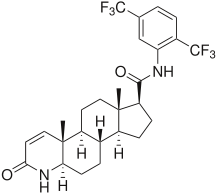
Dutasteride is a well-known pharmaceutical compound classified as a 5-alpha-reductase inhibitor. It works by reducing the conversion of testosterone into dihydrotestosterone (DHT), a hormone involved in prostate development and other androgen-related processes. Understanding Dutasteride, its properties, mechanism of action and clinical applications provides valuable insight into its role in hormonal regulation and prostate health. Explore our range of other research-related products to learn more about different compounds and their pharmaceutical properties.
What Is Dutasteride Used For
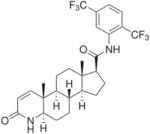
Dutasteride 0.5 mg is a pharmaceutical compound classified as a 5-alpha-reductase inhibitor. It works by blocking the enzymes responsible for converting testosterone into dihydrotestosterone (DHT), a hormone involved in prostate development.
Dutasteride is medically prescribed for the management of benign prostatic hyperplasia (BPH), a condition associated with enlargement of the prostate gland.
Its mechanism of action makes it an important compound in the study of androgen metabolism and hormonal regulation.
Dutasteride Australia
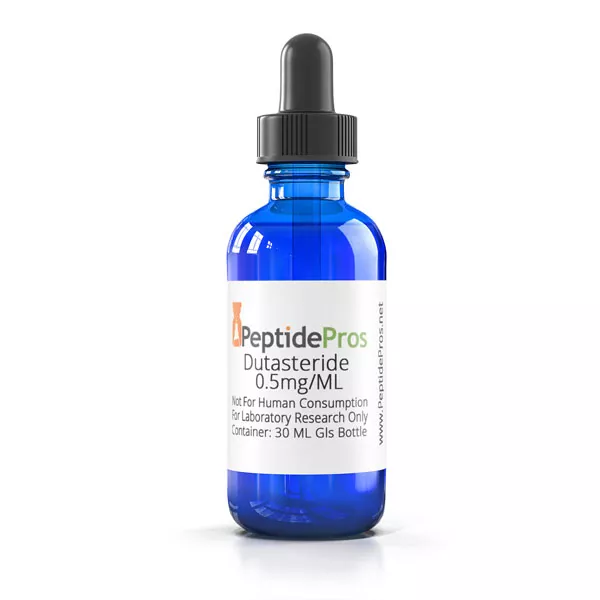
Dutasteride 0.5 mg / mL (a 0.05% concentration solution) is a dual 5-alpha-reductase (5-AR) inhibitor compound. Primarily prescribed off-label in compounding pharmacy practice for androgenetic alopecia (pattern hair loss), it targets hair follicle miniaturization right at the scalp level.
Below is an overview of how topical Dutasteride 0.5 mg /mL works, typical dosage protocols, application tips, and safety profiles.
1. How Topical Dutasteride Works
Hair loss driven by androgenetic alopecia occurs when free testosterone converts into dihydrotestosterone (DHT) via the 5-alpha-reductase enzyme. DHT binds to receptors in susceptible scalp hair follicles, causing them to shrink over time (miniaturization).
-
Dual Enzyme Inhibition: Finasteride blocks only Type II 5-AR, whereas Dutasteride inhibits both Type I and Type II 5-AR enzymes. Type I enzymes are prevalent in scalp sebaceous glands.
-
Localized Target: Delivered topically, Dutasteride reduces DHT levels directly within scalp tissues while limiting total systemic circulating absorption compared to daily oral capsules.
2. Dosage & Administration Protocols
Because topical Dutasteride 0.5 mg / mL is typically prepared as a prescription compounded solution, dosage and application frequency depend on a physician’s explicit recommendation.
| Parameter | Standard Guideline | Notes |
| Solution Concentration | 0.5 mg/mL (0.05%) | Contains 0.5 milligrams of active Dutasteride per 1 mL liquid. |
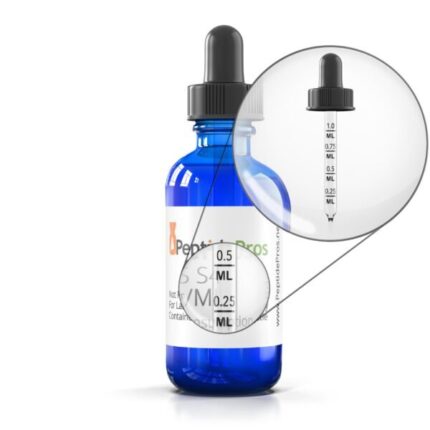
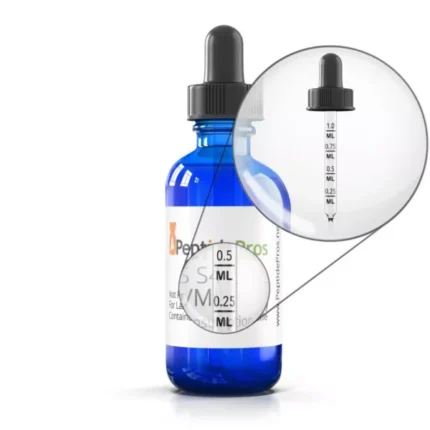
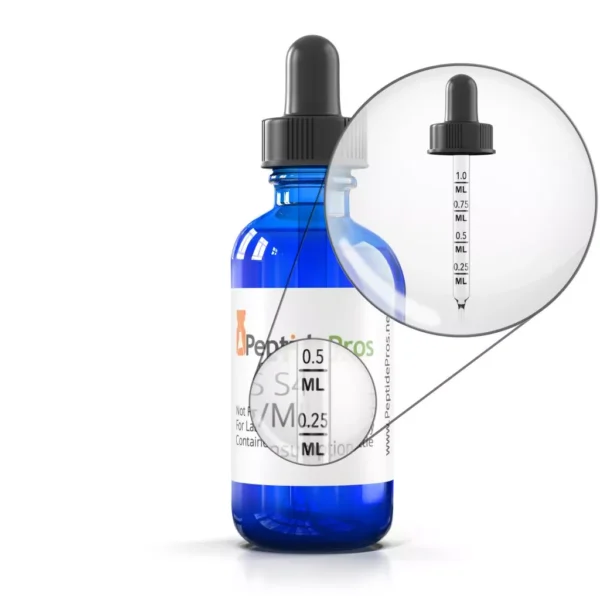
| Daily Application Volume | 1.0 mL | Measured precisely using a calibrated dropper or pump spray. |
| Frequency | Once Daily or 2–3x Weekly | Due to Dutasteride’s long biological tissue half-life, some dermatologists prescribe non-daily schedules. |
| Dwell Time | 6 to 8 hours | Allow the solution to absorb completely before washing or applying other products. |
Standard Step-by-Step Application
-
Clean & Dry: Ensure the scalp is completely clean and dry before applying.
-
Apply Directly to Scalp: Part hair to expose areas of thinning (e.g., crown or hairline) and drop 1 mL of solution directly onto the skin.
-
Gentle Massage: Rub gently into the scalp using fingertips for even coverage.
-
Wash Hands Thoroughly: Immediately wash hands with soap and water after handling.
3. Formulations & Combination Therapies
Compounding pharmacies often prepare Dutasteride 0.5 mg /mL in tailored bases to optimize scalp penetration and patient comfort:
-
Vehicle Bases: Standard alcohol/propylene glycol solutions or liposomal/trichosol vehicle bases designed to enhance skin absorption and minimize scalp dryness.
-
Minoxidil Combinations: Frequently stacked in custom formulas (e.g., Dutasteride 0.5 mg /mL + Minoxidil 5%) to combine DHT-inhibition with hair-growth stimulation.
4. Side Effects & Safety Precautions
While topical application significantly reduces systemic DHT suppression compared to oral administration, safety rules still apply.
Potential Side Effects
-
Local Reactions: Scalp irritation, itching, flaking, or redness (often linked to the alcohol base rather than the active drug).
-
Systemic Exposure: Mild systemic absorption can occur, which may rarely cause hormonal effects such as reduced libido or breast tenderness in sensitive individuals.
Critical Warnings
-
Teratogenic Hazard (Women & Pregnancy): Dutasteride is harmful to male fetuses. Women who are pregnant, planning to become pregnant, or breastfeeding must never use or directly handle topical Dutasteride solutions or wet scalp surfaces.
-
Blood Donation: Users should refrain from donating blood while using Dutasteride and for 6 months after discontinuing treatment to prevent transferring the drug to pregnant transfusion recipients.
Disclaimer: This guide is intended for educational purposes only. Dutasteride 0.5 mg / mL topical solution requires a prescription from a qualified healthcare provider.
Dutasteride tamsulosin,
Dutasteride vs finasteride,
Dutasteride australia,
Finasteride vs dutasteride,
Dutasteride australia hair loss,
What is dutasteride used for.