


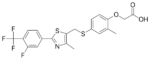



GW0742: A Detailed Guide to Its Scientific Uses, PPARδ Activity and Research Applications
Introducing GW0742
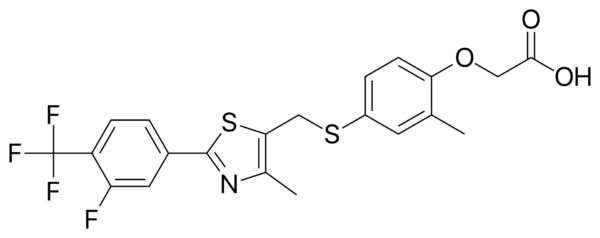
GW0742 is a synthetic small-molecule research compound recognised for its selective activity as a peroxisome proliferator-activated receptor delta (PPARδ) agonist. It has attracted scientific interest because of its involvement in biological pathways associated with lipid metabolism, glucose regulation and cellular energy processes.
Unlike peptide-based compounds, GW0742 belongs to a class of synthetic chemical molecules designed to interact with specific nuclear receptors. Its primary research significance lies in its ability to activate PPARδ, a receptor involved in regulating genes responsible for several metabolic and cellular processes.
Scientific investigations have examined GW0742 in experimental models involving fatty acid metabolism, glucose homeostasis, cardiovascular biology and inflammatory signalling. These applications make it a useful compound for studying the biological functions of PPARδ.
Understanding the Molecular Classification of GW0742
GW-0742 belongs to a group of synthetic compounds developed to interact with peroxisome proliferator-activated receptors, commonly known as PPARs.
PPARs are nuclear receptors that regulate gene expression and participate in several important biological processes. They are generally divided into three main subtypes:
PPARα: Primarily associated with fatty acid metabolism and lipid regulation.
PPARβ/δ: Involved in energy utilisation, fatty acid metabolism and metabolic signalling.
PPARγ: Associated with adipocyte development, lipid storage and glucose regulation.
GW0742 is particularly recognised for its activity towards PPARβ/δ. This receptor selectivity makes the compound useful in laboratory investigations examining the molecular functions and biological roles of PPARδ.
The Role of PPARδ in Scientific Research
PPARδ is a nuclear receptor expressed in several tissues, including skeletal muscle, cardiac tissue and other metabolically active organs.
Its primary research importance comes from its involvement in regulating genes associated with different metabolic pathways. Scientists investigate this receptor to understand how cellular systems manage energy utilisation, fatty acid processing and metabolic signalling.
Research involving PPARδ commonly examines:
• Fatty acid utilisation and oxidation.
• Cellular energy regulation.
• Lipid metabolism.
• Glucose homeostasis.
• Mitochondrial processes.
• Metabolic gene expression.
Because PPARδ is involved in several interconnected biological pathways, it remains an important subject in molecular biology and metabolic research.
How GW-0742 Interacts With PPARδ
The principal molecular target of GW-0742 is the PPARδ receptor.
As a PPARδ agonist, GW0742 binds to the receptor and promotes its activation. This interaction is investigated in relation to changes in gene transcription and the regulation of proteins involved in metabolic processes.
One important research area involves genes associated with fatty acid transport, utilisation and oxidation. Scientists examine these pathways to better understand how PPARδ participates in cellular energy metabolism.
The compound’s receptor activity also provides a research model for investigating the relationship between nuclear receptor signalling and other biological pathways.
Uses of GW-0742 in Preclinical Research
GW-0742 is used in laboratory and preclinical research to investigate PPARδ activity and its relationship with metabolic regulation, fatty acid utilisation, glucose metabolism and cellular energy processes.
Researchers use this compound to examine metabolic pathways in experimental models involving skeletal muscle, cardiac tissue and other biological systems. Its applications also include investigations into lipid metabolism, glucose homeostasis, cardiovascular biology and inflammatory signalling.
GW0742 provides researchers with a chemical tool for studying PPARδ-dependent gene expression and related cellular pathways. Its research applications remain experimental and are primarily associated with laboratory and animal studies rather than established human therapeutic use.
Major Scientific Research Applications of GW0742
1. Fatty Acid Metabolism and Energy Research
One of the major research applications of GW-0742 involves investigating fatty acid metabolism.
PPARδ participates in regulating genes responsible for fatty acid transport and oxidation. Researchers use GW-0742 in experimental models to examine these pathways and better understand how different tissues process fatty acids.
A 2013 study published in Hormone and Metabolic Research* investigated GW0742 in rat heart tissue and cultured cardiac cells. The research examined the expression of genes associated with fatty acid oxidation and the citric acid cycle.
This type of investigation provides useful information about the molecular relationship between PPARδ activation and cardiac energy metabolism.
2. Glucose Metabolism and Insulin Signalling Research
GW0742 has also been investigated in experimental studies involving glucose regulation and insulin signalling.
Researchers use animal models to examine the relationship between PPARδ activity and biological pathways responsible for glucose homeostasis.
A 2015 study involving diabetic rat models investigated GW-0742 in relation to glucose regulation and proteins associated with metabolic processes.
Such investigations help scientists understand the molecular pathways involved in glucose metabolism and the potential research applications of PPARδ agonists.
3. Cardiovascular and Cardiac Metabolism Research
Another important research area involves the role of PPARδ in cardiovascular biology.
Scientists investigate GW-0742 in experimental models to examine receptor activity in cardiac tissue, fatty acid utilisation and pathways associated with heart metabolism.
Research involving Zucker fatty rats has also examined GW0742 in experimental models of cardiac ischaemia and reperfusion injury.
These studies provide a scientific basis for investigating PPARδ in cardiac metabolism and related cardiovascular research.
4. Inflammatory Signalling Research
GW-0742 is also used in experimental investigations involving PPARδ and inflammatory signalling pathways.
Researchers study how PPARδ participates in regulating gene expression associated with inflammatory mediators and cellular communication.
For example, research involving intestinal ischaemia and reperfusion injury in mice has investigated GW-0742 in relation to inflammatory markers and tissue-level biological processes.
These applications help expand scientific understanding of PPARδ in experimental models involving inflammatory signalling.
What Makes GW0742 Valuable in Laboratory Research?
GW0742 is particularly useful in experimental research because of its reported selectivity towards PPARδ.
Original medicinal chemistry research reported an EC50 of approximately 1.1 nM for PPARδ. This measurement describes the concentration associated with half-maximal receptor activation in the particular experimental assay.
Its selectivity over other major PPAR subtypes provides researchers with a useful starting point for investigating receptor-specific biological pathways.
However, selectivity does not necessarily mean absolute exclusivity. Research has also examined interactions involving other nuclear receptors, including the vitamin D receptor.
Understanding these pharmacological characteristics is important when interpreting experimental findings involving GW-0742.
GW-0742 Compared With GW-501516
GW-0742 and GW-501516 are two synthetic small-molecule compounds frequently discussed in PPARδ research.
Both compounds are classified as PPARδ agonists, but they have different chemical structures and pharmacological characteristics. They are separate research compounds and should not be considered interchangeable.
| Specification | GW-0742 | GW-501516 |
|---|---|---|
| Compound type | Synthetic small molecule | Synthetic small molecule |
| Main research target | PPARδ | PPARδ |
| Pharmacological classification | PPARδ agonist | PPARδ agonist |
| Chemical structure | Distinct molecular structure | Distinct molecular structure |
| Research focus | Receptor activation and metabolic pathways | Receptor activation and metabolic pathways |
| Research applications | Metabolic and cellular investigations | Metabolic and cellular investigations |
Although they share a common receptor target, differences in their molecular structures mean that research findings involving one compound should not automatically be applied to the other.
Research Status and Important Limitations
GW-0742 remains an experimental research compound. Its available scientific applications are primarily associated with laboratory investigations and preclinical studies.
There is insufficient human clinical evidence to establish its safety, effectiveness, appropriate dosage or suitability for therapeutic use in people.
Researchers studying GW0742 should also consider its pharmacological selectivity, experimental conditions and the limitations of translating findings from animal models into human biology.
GW-0742 should therefore be described as a research chemical rather than an established human medicine.
Frequently Asked Questions About GW-0742
1. What Is GW-0742?
GW0742 is a synthetic small-molecule compound classified as a selective PPARδ agonist. It is primarily investigated in scientific research involving nuclear receptor activity, metabolic pathways and cellular regulation.
2. Is GW-0742 a Peptide?
No. GW0742 is not a peptide. It is a synthetic small-molecule chemical compound designed to interact with the PPARδ nuclear receptor.
3. What Is GW-0742 Used for in Research?
GW0742 is used in laboratory and preclinical investigations examining PPARδ activity, fatty acid metabolism, glucose regulation, cellular energy processes and metabolic signalling.
4. What Is PPARδ?
PPARδ is a nuclear receptor involved in regulating gene expression. It participates in several biological processes associated with fatty acid metabolism, energy utilisation and cellular regulation.
5. What Is the Difference Between GW-0742 and GW-501516?
Both compounds are synthetic PPARδ agonists, but they have different molecular structures and pharmacological characteristics. They are separate research compounds and should not be treated as interchangeable.
6. Is GW-0742 Approved for Human Use?
GW0742 is an experimental research compound and is not an established approved human medicine. Its safety and effectiveness for therapeutic use in people have not been adequately established through clinical trials.
Final Thoughts on GW-0742
GW0742 is a specialised research compound that provides scientists with a useful tool for investigating PPARδ receptor activity and its involvement in metabolic and cellular pathways.
Its scientific applications include investigations into fatty acid metabolism, glucose regulation, cardiac energy processes and inflammatory signalling. These research areas contribute to a broader understanding of how PPARδ participates in different biological systems.
As research continues, GW0742 remains relevant to experimental pharmacology and molecular biology, particularly in studies examining nuclear receptor activity and metabolic regulation. Its experimental classification and the current limitations of human clinical evidence remain important considerations when describing the compound.
IGF-1 LR3,
GW-0742,
GW-0742 peptide ,
GW-0742 research compound,
GW-0742 PPAR delta agonist,
GW-0742 Australia.