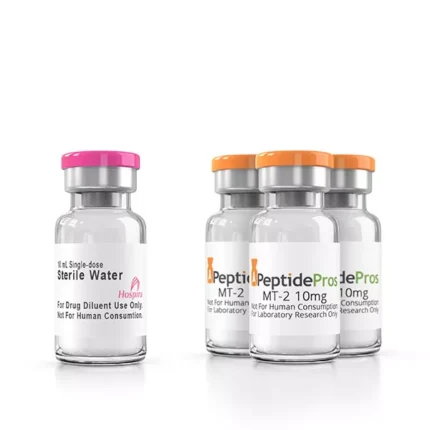


Introduction to MT2
MT2 is a synthetic cyclic peptide that has become a subject of scientific interest due to its relationship with alpha-melanocyte-stimulating hormone (α-MSH) and the melanocortin receptor system. Its molecular composition and receptor interactions offer valuable insight into peptide science, cellular signalling and biological pigmentation pathways. Exploring its structure, scientific background and associated safety considerations helps provide a clearer understanding of this compound. Visit our Peptide Research Information section to learn more about peptide science, molecular properties and related research topics.
MT2 : Understanding
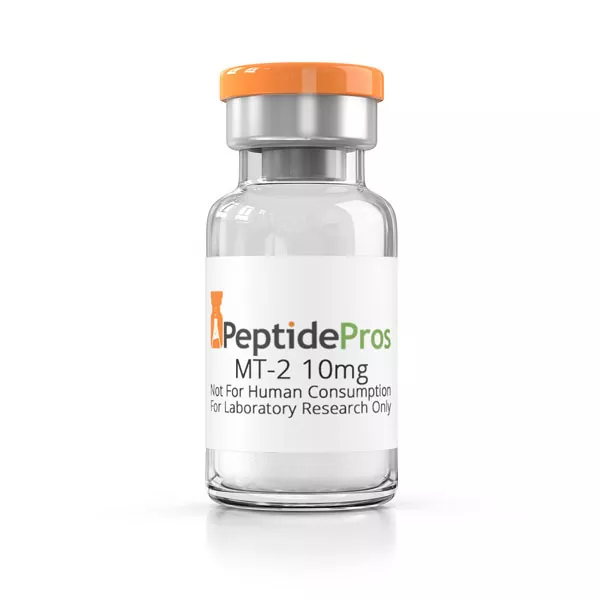
MT2, also known as MT-II, is a synthetic peptide developed from research into alpha-melanocyte-stimulating hormone (α-MSH). It belongs to a group of compounds studied for their interactions with the melanocortin receptor system. Its molecular structure and biological activity have made it a subject of scientific interest, particularly in research exploring pigmentation pathways, receptor signalling and peptide chemistry.
The Science Behind Melanotan 2
To understand MT2, it is useful to explore the melanocortin system. This biological system consists of specialised receptors involved in several physiological processes.
Melanotan 2 has demonstrated interactions with multiple melanocortin receptors, including receptors associated with pigmentation and other biological signalling pathways. Researchers investigate these interactions to better understand how synthetic peptides influence receptor activity.
Molecular Characteristics of MT2
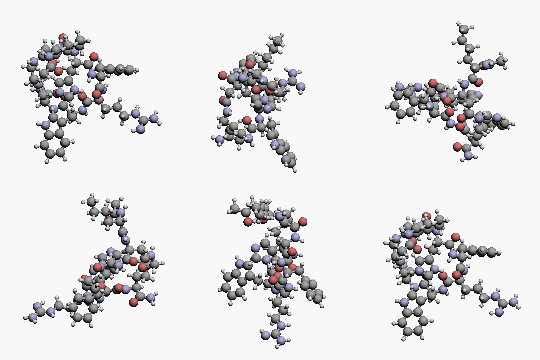
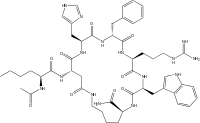
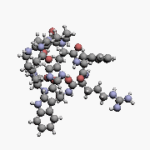
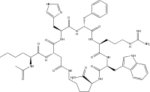
Melanotan 2 is a cyclic peptide composed of seven amino acid residues. Its chemical structure differs from naturally occurring alpha-MSH, although the two compounds share a relationship through melanocortin research.
Understanding its molecular characteristics helps explain its classification and relevance to peptide chemistry.
Key molecular information includes:
- Compound name: Melanotan II
- Common abbreviation: MT-II
- Classification: Synthetic cyclic peptide
- Related peptide: Alpha-melanocyte-stimulating hormone (α-MSH)
- Number of amino acid residues: 7
- Molecular formula: C₅₀H₆₉N₁₅O₉
- Molecular weight: Approximately 1024.18 g/mol
Why Is MT2 Studied?
Mt2 is discussed in scientific literature because of its activity within the melanocortin receptor system.
Research interest includes:
Melanocortin Receptor Activity
Investigations examine how the peptide interacts with different melanocortin receptor subtypes and influences cellular signalling.
Pigmentation Biology
Its relationship with alpha-MSH makes it relevant to research into melanocytes and the biological mechanisms involved in melanin production.
Peptide Chemistry
Its cyclic structure provides an example for studying synthetic peptide design, molecular composition and receptor interactions.
These are areas of scientific investigation rather than established benefits of unapproved Melanotan 2 products.
Melanotan 2 Safety and Regulatory Considerations
Understanding the safety profile of Melanotan 2 is essential. Products marketed for cosmetic tanning have not been approved by the Australian Therapeutic Goods Administration (TGA).
Reported adverse effects associated with melanotan products include nausea, headaches, vomiting, facial flushing and changes in moles or freckles. The composition and quality of unapproved products may also be uncertain.
In Australia, Mt2 is classified as a prescription-only medicine. It is not approved as a cosmetic tanning treatment. Businesses should consider applicable therapeutic goods legislation before publishing product-related material.
Frequently Asked Questions
What does MT-II stand for?
MT-II is the common abbreviation for Melanotan 2, a synthetic cyclic peptide analogue related to alpha-MSH.
Is Melanotan 2 naturally produced in the body?
No. MT2 is synthetically produced and is structurally related to a naturally occurring peptide involved in melanocortin signalling.
What makes MT2 scientifically interesting?
Its molecular structure and interactions with melanocortin receptors make it relevant to scientific investigations into receptor activity and biological signalling.
Is MT2 approved for tanning in Australia?
No. The TGA has not approved Melanotan 2 as a cosmetic tanning treatment.
Final Overview
Melanotan 2 provides an interesting example of synthetic peptide development and melanocortin receptor research. Its molecular structure, relationship with alpha-MSH and biological interactions contribute to scientific discussions about peptide chemistry and cellular signalling. Understanding these characteristics alongside the relevant safety and regulatory information is important when evaluating this compound .
MT2,
Melanotan 2,
Melanotan 2,
Buy melanotan 2,
Melanotan 1 vs 2,
Melanotan 2 dosage per day,
Buy melanotan 2.