






Ketotifen Fumarate: A Detailed Look at Its Pharmacology, Histamine Regulation and Biological Properties
Understanding Ketotifen Fumarate
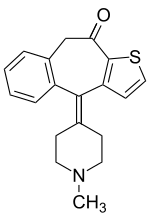
Ketotifen Fumarate is a pharmaceutical compound recognised for its antihistamine properties and mast-cell-stabilising activity. It is associated with the regulation of allergic responses and has been used in certain pharmaceutical formulations to manage allergy-related conditions.
Its activity involves blocking H1-histamine receptors while also influencing the release of inflammatory substances from specialised immune cells. These combined properties make ketotifen an interesting subject in pharmacology, particularly in research involving histamine signalling, immune responses and allergic inflammation.
Understanding this compound requires examining its chemical characteristics, biological mechanisms and the different ways it is formulated for pharmaceutical use.
Difference Between Ketotifen and Ketotifen Fumarate
Ketotifen and Ketotifen Fumarate refer to the same active antihistamine compound, but they differ in their chemical form. Ketotifen is the active drug, while Ketotifen Fumarate is its fumarate salt form, used in pharmaceutical formulations to provide a suitable form of the ingredient. Both are associated with antihistamine activity and mast-cell stabilisation, helping to regulate histamine activity and certain allergic responses. The main difference is therefore their chemical designation rather than two separate medications.
Chemical Identity and Pharmacological Classification
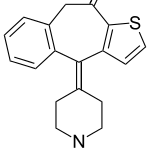
Ketotifen Fumarate is the fumarate salt form of ketotifen. The active compound belongs to the group of medications known as H1-histamine receptor antagonists.
Its main pharmacological characteristics include:
• Active compound: Ketotifen.
• Salt form: Fumarate.
• Pharmacological classification: H1-histamine receptor antagonist.
• Additional activity: Mast-cell stabilisation.
• Biological relevance: Regulation of allergic and inflammatory responses.
The fumarate component forms part of the salt structure used in pharmaceutical preparations. It is not a separate antihistamine or an additional active drug.
Understanding Histamine and Allergic Responses
Histamine is a naturally occurring chemical messenger involved in several physiological processes, including immune responses, gastric acid secretion and communication within the nervous system.
During an allergic reaction, specialised immune cells called mast cells can release histamine into surrounding tissues. Once released, histamine interacts with specific receptors and produces different biological effects.
H1-histamine receptor activation can contribute to:
• Itching and skin irritation.
• Redness and local swelling.
• Increased blood vessel permeability.
• Watery eyes and other allergic symptoms.
• Sensory nerve stimulation.
Ketotifen works by antagonising H1 receptors, reducing the effects of histamine at these receptor sites.
The Role of Mast Cells in Ketotifen Pharmacology
Mast cells are specialised immune cells found in tissues throughout the body, particularly in the skin, respiratory tract and gastrointestinal system.
They contain granules filled with biologically active substances, including histamine. When activated, mast cells release these substances through a process known as degranulation.
This process contributes to the development of allergic inflammation.
Ketotifen has mast-cell-stabilising properties that influence the release of certain inflammatory mediators. These include histamine and other substances involved in allergic responses.
This additional activity distinguishes ketotifen from antihistamines that are primarily recognised for their H1-receptor blocking effects.
How Ketotifen Fumarate Influences Biological Processes
The pharmacological activity of ketotifen involves several mechanisms that contribute to its anti-allergic properties.
H1-receptor antagonism
Ketotifen interferes with histamine interactions at H1 receptors, helping reduce certain effects associated with allergic reactions.
Mast-cell stabilisation
Its stabilising properties influence mast-cell activity and the release of inflammatory substances.
Eosinophil regulation
Eosinophils are white blood cells involved in certain allergic and inflammatory conditions. Research has investigated ketotifen’s effects on eosinophil migration and activity.
Inflammatory mediator activity
Scientific investigations have also examined ketotifen’s influence on substances such as leukotrienes and platelet-activating factor, which participate in inflammatory processes.
Together, these mechanisms provide a broader understanding of ketotifen’s pharmacological characteristics.
Pharmaceutical Formulations and Applications
Ketotifen is available in different pharmaceutical formulations, with each preparation designed for a particular route of administration.
Oral Ketotifen
Oral preparations, including tablets and liquid formulations in markets where they are authorised, have been used for certain allergic conditions.
After administration, ketotifen produces systemic pharmacological effects through its antihistamine and mast-cell-stabilising properties.
Drowsiness is an important consideration with oral preparations because ketotifen can affect the central nervous system.
Ophthalmic Ketotifen
Ketotifen eye drops are formulated for local application to the eyes. They are used for the prevention or relief of itching associated with allergic conjunctivitis, depending on the approved product information.
These preparations have different concentrations, ingredients and manufacturing requirements from oral formulations.
Oral and ophthalmic ketotifen products are not interchangeable.
Ketotifen Compared with Other Antihistamines
Although ketotifen belongs to the antihistamine category, it has additional pharmacological characteristics that distinguish it from compounds primarily recognised for blocking histamine receptors.
Its combination of H1-receptor antagonism and mast-cell-stabilising activity is an important feature.
Other antihistamines may differ in their chemical structures, receptor interactions, duration of action and tendency to cause sedation.
Some newer antihistamines are generally associated with less drowsiness, while ketotifen may produce noticeable sedative effects, particularly in oral formulations.
These differences demonstrate why medicines within the same pharmacological category should not automatically be considered identical.
Safety Profile and Important Considerations
The safety profile of Ketotifen Fumarate depends on its formulation, route of administration and individual response.
Potential side effects associated with oral preparations include:
• Drowsiness and fatigue.
• Dizziness.
• Dry mouth.
• Increased appetite.
• Weight gain.
• Gastrointestinal discomfort.
Ophthalmic formulations may produce temporary eye irritation, burning or stinging.
Ketotifen may also increase sedation when combined with alcohol or other medicines that affect the central nervous system.
Anyone considering a ketotifen-containing medicine should follow the approved product instructions and seek guidance from a qualified healthcare professional.
Ketotifen is not a substitute for emergency treatment of severe allergic reactions.
Pharmaceutical Quality, Stability and Storage
Pharmaceutical quality involves several factors beyond the identity of the active ingredient.
For Ketotifen Fumarate, these considerations include chemical identification, ingredient consistency, manufacturing standards and formulation stability.
Different preparations may contain additional ingredients that influence their physical characteristics, stability and intended method of administration.
Ophthalmic formulations require particular attention to sterility and contamination control because they are intended for application to sensitive eye tissues.
Storage conditions should always follow the manufacturer’s instructions for the specific preparation.
Conclusion: Understanding the Pharmacological Properties of Ketotifen Fumarate
Ketotifen Fumarate is an established antihistamine compound with additional mast-cell-stabilising properties. Through its interaction with H1-histamine receptors and its influence on inflammatory mediator release, it affects important biological processes involved in allergic responses.
Its different pharmaceutical formulations demonstrate how the same active compound can be developed for distinct applications, including certain allergic conditions and allergic eye symptoms.
Understanding its chemical characteristics and biological mechanisms provides a useful foundation for exploring antihistamine pharmacology, immune-cell activity and the wider science of allergic inflammation.
Scientific Information Notice: This article is intended for educational purposes only. It does not constitute medical advice or a treatment recommendation. Approved uses, availability and product specifications may differ between countries and pharmaceutical formulations.
Ketotifin,
For metrics, refresh,
Fumarate,
Ketotifen pills,
Ketotifen chemist warehouse,
Ketotifen eyedrops,
Ketotifen fumarate eye drops.