


Bacteriostaic Water Explained: Composition, Uses and Safety Considerations
Understanding Bacteriostatic Water in Pharmaceutical Preparation
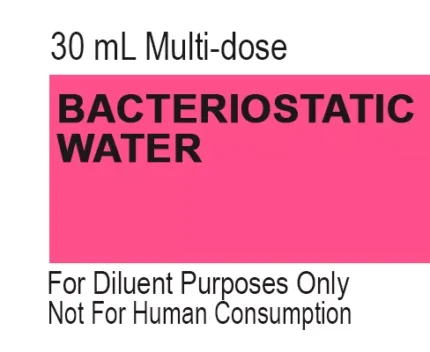
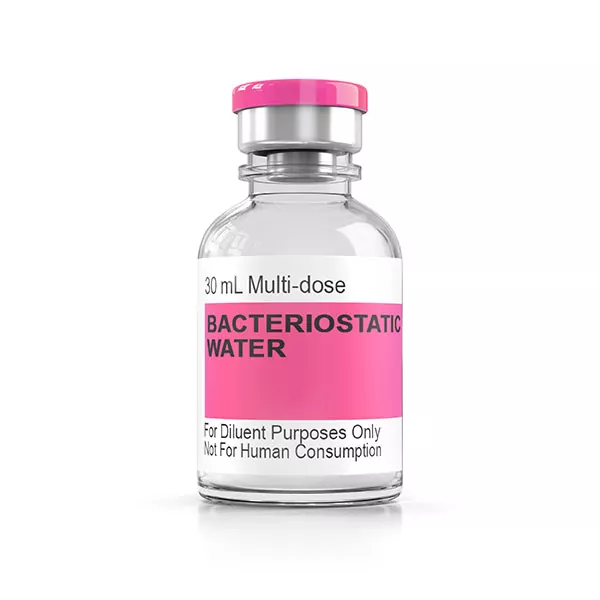
In pharmaceutical manufacturing and medication preparation, the quality of the liquid used alongside an active ingredient is an important consideration. Bacteriostaic water is a specialised sterile preparation designed for use as a diluent in certain compatible injectable medications. Its defining characteristic is the inclusion of benzyl alcohol, a preservative that helps inhibit the growth and multiplication of susceptible bacteria.
Unlike preservative-free Sterile Water for Injection, Bacteriostatic Water has an additional preservative component that influences its intended applications and compatibility. Understanding its formulation, pharmaceutical properties and limitations helps explain why the two preparations are not interchangeable in every situation.
What Is Bacteriostaic Water Made Of?
Bacteriostaic Water for Injection generally contains sterile water and benzyl alcohol. A commonly available formulation contains 0.9% benzyl alcohol, although the exact composition should always be confirmed using the individual product label.
Each ingredient serves a different purpose:
• Sterile Water: Acts as the aqueous base for preparing compatible pharmaceutical solutions.
• Benzyl Alcohol: Functions as a bacteriostatic preservative, helping restrict the multiplication of susceptible bacteria.
This combination gives the preparation its distinctive preservative properties. However, bacteriostatic activity should not be mistaken for sterilisation or the ability to eliminate every type of microorganism.
How Does Benzyl Alcohol Influence Its Preservative Properties?
Benzyl alcohol is included in certain pharmaceutical formulations because of its antimicrobial preservative activity. It helps interfere with the biological processes of susceptible microorganisms, limiting their ability to multiply under appropriate conditions.
This property is particularly relevant to pharmaceutical products supplied in suitable multi-dose containers. The preservative helps maintain microbiological quality when the container is accessed according to its approved instructions.
Nevertheless, benzyl alcohol does not make a contaminated solution safe for use. It cannot replace proper aseptic technique, appropriate storage or the handling requirements specified by the manufacturer.
Pharmaceutical Applications and Preparation Roles
Bacteriostaic Water has a supporting role in pharmaceutical preparation rather than providing an independent therapeutic effect. Its suitability depends on the medication being prepared and the manufacturer’s specified diluent requirements.
Some recognised applications include:
Reconstitution of compatible medications: Certain injectable medicines are supplied as powders and require an approved liquid diluent before administration.
Medication dilution: Selected pharmaceutical formulations may require dilution using a specific preparation medium.
Multi-dose packaging: Its preservative component supports the intended use of compatible multi-dose containers, subject to the product’s approved handling instructions.
Controlled pharmaceutical research: It may be used in certain research and formulation environments where its composition is appropriate for the specific experimental requirements.
Not every injectable medication is compatible with Bacteriostatic Water. The approved product information should always determine which diluent is suitable.
Bacteriostatic Water vs Sterile Water: Understanding the Difference
Although both preparations contain sterile water, their compositions and intended applications differ.
Bacteriostatic Water generally contains benzyl alcohol, whereas Sterile Water for Injection does not contain an antimicrobial preservative. This distinction affects their pharmaceutical characteristics, compatibility and permitted uses.
The presence of a preservative can be beneficial in certain multi-dose applications, but it can also make Bacteriostatic Water unsuitable for particular medications or patient groups.
Choosing between the two therefore requires consideration of the medication’s formulation, administration route and manufacturer instructions rather than assuming that one can replace the other.
Where Can You Purchase Bacteriostaic Water in Australia?
If you are looking for Bacteriostaic Waterin Australia, AU Peptide Store is a convenient place to explore available laboratory research supplies. Customers can visit the store to check product availability, review product specifications and find information about the available options.
What Determines the Quality of Bacteriostaic Water?
Pharmaceutical quality involves more than the presence of the correct ingredients. Manufacturing controls, packaging and product traceability all contribute to the reliability of the preparation.
Important quality considerations include:
• Sterility: The product must meet the applicable sterility requirements established during manufacturing.
• Preservative concentration: Benzyl alcohol content should correspond with the declared product formulation.
• Manufacturing quality: Production should follow applicable pharmaceutical quality standards.
• Packaging integrity: The container must remain properly sealed and free from damage.
• Storage requirements: The product should be stored according to the manufacturer’s specifications.
• Traceability: Batch identification, expiry dates and manufacturer details help establish product authenticity and traceability.
These factors are relevant when evaluating pharmaceutical preparations intended for specialised applications.
Safety Restrictions and Important Limitations
Despite its preservative properties, Bacteriostatic Water has important restrictions that must be understood before pharmaceutical use.
One major consideration is its benzyl alcohol content. Bacteriostaic Water containing benzyl alcohol must not be used in neonates because of the risk of serious toxicity.
It must also not be administered intravenously on its own. When used as a diluent for an injectable medication, the resulting preparation must meet the medication’s specific requirements for composition and tonicity.
Additionally, it is not intended for fluid replacement, epidural administration or intrathecal procedures. Certain medications may also be incompatible with benzyl alcohol.
Always follow the approved medication instructions and the specific manufacturer’s product information. The presence of a bacteriostatic preservative does not remove the need for appropriate sterile handling procedures.
Final Thoughts: Understanding the Role of Bacteriostatic Water
Bacteriostaic Water is a specialised pharmaceutical preparation distinguished by its combination of sterile water and an antimicrobial preservative, commonly benzyl alcohol. Its formulation makes it suitable for certain medication reconstitution and dilution applications where the preservative is compatible with the intended preparation.
Understanding its composition, preservative properties and pharmaceutical limitations helps explain its role in medication preparation and how it differs from preservative-free sterile water.
Ultimately, product quality, formulation compatibility and adherence to approved handling instructions are essential considerations when evaluating Bacteriostatic Water for pharmaceutical applications.
Bacteriostatic water,
Bacteriostaic water,
Bacterial water,
Bacteria static water,
Bariostatic water,
Water bacteriostatic,
Bacteriostatic Water Australia,