
Melanotan 1 – Peptide Structure, Properties and Research Overview
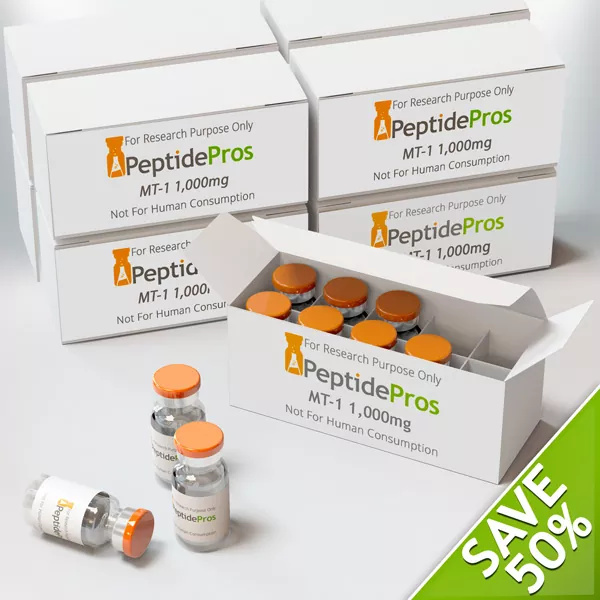
Melanotan 1 is a synthetic peptide analogue related to alpha-melanocyte-stimulating hormone (α-MSH), which plays a role in the body’s natural pigmentation processes. Its molecular structure and interaction with melanocortin receptors have made it a subject of scientific interest. Understanding Melanotan 1, its properties and its biological background provides useful insight into melanocortin research. Explore our peptide research information section to learn more about peptide structures and their scientific characteristics.
Potential Benefits of Melanotan 1
MT-1 is scientifically interesting because of its interaction with melanocortin receptors and its relationship with the body’s natural pigmentation processes. Its potential research benefits include:
- Melanin Production: Studied for its ability to stimulate pathways involved in melanin synthesis.
- Skin Pigmentation Research: Helps researchers understand the biological mechanisms responsible for skin pigmentation.
- Photoprotection Research: Related afamelanotide has been studied for its role in improving light tolerance in people with certain medical conditions.
- Cellular Signalling: Provides insight into how melanocortin receptors influence biological activity.
- Peptide Research: Offers opportunities to investigate synthetic peptide structures and their biological interactions.
Introduction to Melanotan 1
MT-1 is a synthetic peptide related to alpha-melanocyte-stimulating hormone (α-MSH), a naturally occurring peptide involved in the regulation of skin pigmentation. It has attracted scientific interest because of its interaction with melanocortin receptors and its relationship with melanin production.
Understanding MT-1 requires looking at its molecular structure, biological properties and role in melanocortin research.
What Is Melanotan 1?
MT-1 is a synthetic analogue of alpha-melanocyte-stimulating hormone. It belongs to a group of peptides studied for their interaction with the melanocortin system.
The melanocortin system is involved in several biological processes, including pigmentation, energy regulation and hormonal signalling.
Melanotan 1 is also known by its scientific name, afamelanotide, although the terms should not be treated as interchangeable in every pharmaceutical or regulatory context.
Understanding Melanin and Skin Pigmentation
Melanin is the natural pigment responsible for much of the colour found in human skin, hair and eyes.
It is produced by specialised skin cells called melanocytes. Melanin contributes to the skin’s natural pigmentation and plays a role in protecting skin cells against ultraviolet radiation.
The amount and type of melanin produced vary between individuals and are influenced by genetics, environmental exposure and biological signalling.
How Does Melanotan 1 Interact With the Melanocortin System?
MT-1 is structurally related to α-MSH, which interacts with melanocortin receptors.
These receptors are involved in regulating different biological functions. In skin pigmentation research, melanocortin receptor signalling is particularly relevant to melanocyte activity and melanin production.
Studying these interactions helps researchers better understand the biological processes associated with pigmentation.
Molecular Structure and Properties of Melanotan 1
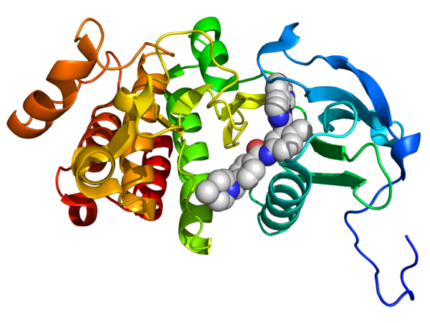
MT-1 is a synthetic peptide with a defined amino acid sequence.
Its molecular characteristics are important in understanding its structure and interactions within scientific research.
The compound is associated with the following scientific identifiers:
- Scientific name: Afamelanotide
- Peptide classification: Synthetic melanocortin analogue
- Related natural peptide: Alpha-melanocyte-stimulating hormone (α-MSH)
- Molecular formula: C78H111N21O19
- Molecular weight: Approximately 1646.85 g/mol
Scientific Research and Medical Background
Research involving melanocortin peptides has explored their relationship with pigmentation and other biological pathways.
Afamelanotide has also been developed as a pharmaceutical medicine for a specific rare condition called erythropoietic protoporphyria (EPP).
Its approved medical applications are distinct from cosmetic tanning products and should not be confused with unapproved formulations marketed under similar names.
Safety and Regulatory Considerations
Peptides and peptide-related medicines can have different regulatory classifications depending on their composition, formulation and intended application.
Melanotan products should not automatically be considered approved medicines. Product quality, manufacturing standards and regulatory status must be independently verified.
Information about any medicine should be obtained from reliable medical and regulatory sources. This article does not provide instructions for administration or personal use.
Frequently Asked Questions About Melanotan 1
What Is Melanotan 1?
Melanotan 1 is a synthetic peptide analogue related to alpha-melanocyte-stimulating hormone.
What Is Melanin?
Melanin is a natural pigment produced by melanocytes that contributes to the colour of skin, hair and eyes.
What Is Afamelanotide?
Afamelanotide is the pharmaceutical name associated with a synthetic melanocortin analogue developed for a specific medical indication.
Is MT-1 a Peptide?
Yes. Melanotan 1 is a synthetic peptide related to the melanocortin family.
What Is the Difference Between Melanotan 1 and Alpha-MSH?
Alpha-MSH is a naturally occurring peptide hormone, while MT-1 is a synthetic analogue designed to interact with related biological pathways.
Conclusion
Melanotan 1 is a synthetic melanocortin-related peptide that provides an interesting subject for scientific study. Its relationship with alpha-MSH, melanocortin receptors and melanin production helps illustrate the complexity of biological pigmentation pathways.
Understanding its molecular properties, scientific background and regulatory considerations is important when exploring melanocortin-related research.
Educational information notice: This article is intended for general scientific education. It does not recommend the purchase, administration or personal use of Melanotan 1.
Melanotan 1,
Melanotan 1 vs 2,
Melanotan 2 vs 1,
Melanotan 1 australia.