



Copper Tripeptide 1 : Understanding the Science, Potential Benefits and Research Behind Copper Peptides
Copper Tripeptide 1 , also known as copper peptide, has attracted growing interest in skincare and cosmetic science because of its potential role in skin structure, collagen production and tissue repair. This naturally occurring copper-binding peptide has been investigated for several decades, with research exploring its effects on skin cells, extracellular matrix components and biological repair processes.
Known scientifically as Glycyl-L-Histidyl-L-Lysine Copper, GHK Cu combines a short chain of three amino acids with a copper ion. This combination has demonstrated interesting biological activity in laboratory and preclinical research, making it an important subject of ongoing investigation in skin science.
But what exactly is Ghk cu Copper Peptides, how does it interact with the skin, and what does current scientific evidence tell us about its potential applications?
In this guide, we explore the science behind Copper Tripeptide 1, its proposed mechanisms of action, potential cosmetic benefits, current research limitations and important considerations surrounding its use.
GHK Cu Copper Peptides
Copper Tripeptide 1 are gaining attention in skincare science due to their potential role in collagen-related processes, skin structure and cellular research. Also known as copper-binding peptides, Copper Tripeptide 1 combines three amino acids with a copper ion to form a compound that has been studied for its interesting biological properties. At AU Peptides Store, we explore innovative peptide compounds and their growing applications in scientific research. Discover more about our range of peptides and research products and learn about the science behind emerging peptide technologies.
What Is GHK Cu Copper Peptides?
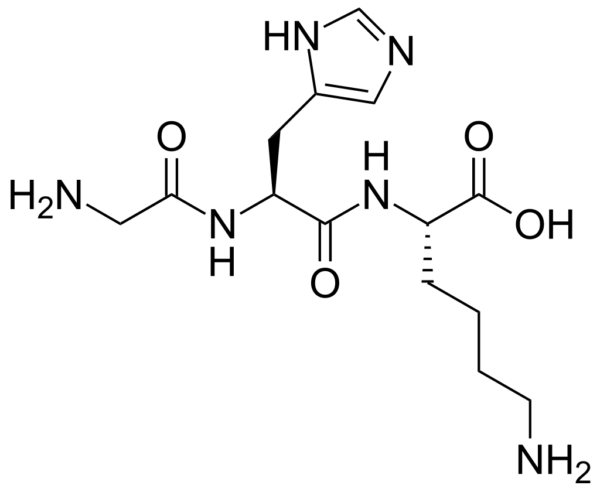
GHK Cu Copper Peptides is a copper-binding peptide formed when the naturally occurring tripeptide GHK (glycine, histidine and lysine) coordinates with a copper (II) ion.
The peptide was first identified in human plasma by biochemist Dr Loren Pickart in the 1970s. Subsequent research has investigated its biological properties and possible involvement in tissue maintenance and repair.
Copper is an essential trace mineral involved in several biological processes. It acts as a cofactor for enzymes responsible for important functions, including collagen and elastin cross-linking, antioxidant defence and normal cellular activity.
Ghk cu Copper Peptides is particularly interesting because it combines the biological properties of a peptide with copper’s important role in cellular processes.
Research has identified GHK and GHK-Cu in human biological fluids, including plasma, saliva and urine. However, the concentration and biological activity of these compounds can vary, and the significance of age-related changes in Copper Tripeptide 1 levels is still being investigated.
How Does GHK Cu Copper Peptides Work?
Copper Tripeptide 1 has been studied for its potential influence on cellular signalling, extracellular matrix regulation and tissue repair.
Rather than acting simply as a moisturising ingredient, it is investigated for its interactions with biological pathways involved in maintaining skin structure and function.
Several proposed mechanisms have attracted scientific attention.
1. Extracellular Matrix Regulation
The extracellular matrix (ECM) is a network of proteins and other molecules that provides structural support to skin cells.
Collagen, elastin and glycosaminoglycans are important components of this network. They contribute to skin strength, elasticity and hydration.
Laboratory studies suggest that Copper Tripeptide 1 may influence the production and organisation of extracellular matrix components, including collagen and other structural proteins.
It has also been investigated for its potential role in matrix metalloproteinase (MMP) activity, which helps regulate the breakdown and remodelling of damaged tissue.
These findings make GHK-Cu an interesting compound in research involving skin structure and tissue maintenance.
2. Inflammatory Response Regulation
Inflammation is a natural part of the body’s response to tissue damage.
However, prolonged or excessive inflammatory activity can interfere with normal tissue function.
Preclinical research suggests that Copper Tripeptide 1 may influence certain inflammatory signalling pathways and the activity of inflammatory mediators.
These findings have generated interest in its potential role in skin repair and cellular regulation. However, laboratory observations should not be interpreted as proof that GHK-Cu treats inflammatory skin conditions in humans.
3. Antioxidant Activity
Oxidative stress occurs when reactive molecules accumulate beyond the body’s ability to manage them effectively.
Environmental exposure, including ultraviolet radiation and pollution, can contribute to oxidative stress and the breakdown of important skin components.
Copper is involved in antioxidant enzyme systems, including superoxide dismutase.
GHK Cu has therefore been investigated for its potential involvement in antioxidant defence and cellular protection.
Although laboratory findings are promising, further human research is needed to establish the extent of any protective effect from topical GHK Cu formulations.
4. Angiogenesis and Tissue Repair
Angiogenesis refers to the formation of new blood vessels.
The development of blood vessels is an important part of normal tissue growth and repair because it helps deliver oxygen and nutrients to surrounding tissues.
Experimental research has investigated the influence of Copper Tripeptide 1 on angiogenesis and other processes associated with tissue repair.
These findings provide a scientific basis for continued research into copper peptides and their potential applications in wound-healing science.
Potential Benefits of Copper Tripeptide 1
Copper Tripeptide 1 has been investigated across several areas of skin and cellular research. While some findings are encouraging, the strength of evidence differs between applications.
1. Collagen Production and Skin Appearance
Collagen is one of the main structural proteins in human skin. It helps maintain firmness, strength and elasticity.
As skin ages, changes in collagen production and organisation can contribute to fine lines, wrinkles and reduced skin elasticity.
Laboratory studies suggest that Copper Tripeptide 1 may influence collagen production and extracellular matrix activity.
This has made it an ingredient of interest in cosmetic formulations designed to support the appearance and condition of ageing skin.
Small human cosmetic studies have also explored its potential effects on skin texture and visible signs of ageing. However, the available clinical evidence remains limited, and larger, well-controlled studies are needed before its effectiveness can be established with confidence.
2. Skin Repair and Wound-Healing Research
One of the most studied areas of GHK-Cu research is its potential involvement in tissue repair.
Experimental studies have investigated its effects on fibroblast activity, collagen organisation and other biological processes associated with wound repair.
Fibroblasts are specialised skin cells responsible for producing collagen and other extracellular matrix components.
Because of these interactions, GHK-Cu has attracted interest in research involving skin recovery and tissue remodelling.
However, evidence from laboratory and animal studies does not establish that commercial GHK-Cu products accelerate wound healing in people. Clinical research remains necessary to determine its effectiveness for specific wound-related applications.
3. Hair and Scalp Research
GHK Cu has also attracted attention in cosmetic hair and scalp research.
Some laboratory and preclinical investigations have explored how copper peptides may interact with hair follicle cells and biological pathways associated with follicle activity.
Researchers have investigated potential relationships with:
- Hair follicle cell activity.
- Dermal papilla cell function.
- Biological signalling involved in hair growth.
- The maintenance of normal follicular structures.
These findings have encouraged further interest in copper peptides within hair and scalp research.
Nevertheless, there is currently insufficient high-quality human evidence to establish Ghk cu Copper Peptides as an effective treatment for hair loss or to confirm that it can reverse follicle miniaturisation.
4. Antioxidant and Skin-Protection Research
Environmental stressors can affect the skin through oxidative processes and damage to important structural components.
Ghk cu Copper Peptides has been studied for its potential antioxidant activity and influence on cellular responses to oxidative stress.
This research has created interest in its possible role in cosmetic skincare formulations focused on maintaining skin quality.
However, GHK Cu should not be considered a replacement for established sun-protection measures, including broad-spectrum sunscreen and appropriate UV protection.
Ghk Cu Copper Peptides Formulations and Research Considerations
GHK Cu is investigated in different formulation and delivery systems. The characteristics of a product can influence its stability, skin penetration and biological availability.
Some commonly discussed formulation types include:
Topical Serums and Creams
Topical formulations are among the most familiar ways copper peptides are incorporated into cosmetic skincare products.
Serums and creams are designed to deliver ingredients to the skin surface, although the extent to which GHK Cu penetrates intact skin can depend on formulation characteristics.
Factors such as pH, concentration, ingredient compatibility and product stability may influence the performance of a finished formulation.
Scalp Formulations
Copper peptides have also been investigated in products designed for scalp application.
These formulations are generally discussed in the context of cosmetic hair and scalp research.
However, the effectiveness of Ghk cu Copper Peptides for promoting human hair growth has not been established through sufficiently robust clinical trials.
Advanced Delivery Systems
Researchers have explored delivery technologies such as liposomes, specialised carriers and microneedle-based systems to investigate whether peptide stability and skin penetration can be improved.
These approaches remain an area of formulation and delivery research.
The ability of a delivery system to increase skin penetration does not automatically demonstrate improved clinical outcomes or establish the safety of a particular application.
Can Ghk Cu Copper Be Combined With Other Skincare Ingredients?
Ingredient compatibility is an important consideration when developing or selecting skincare formulations.
GHK Cu is a copper-containing peptide complex, so its stability may be influenced by the chemical environment of the finished formulation.
Vitamin C
Vitamin C, particularly pure L-ascorbic acid, is commonly formulated at a low pH.
Because copper peptides are sensitive to formulation conditions, compatibility should be assessed at the product level rather than assuming that all vitamin C products will destabilise GHK Cu.
Using separately formulated products at different times may be a practical approach when compatibility information is unavailable.
AHAs and BHAs
Alpha-hydroxy acids (AHAs) and beta-hydroxy acids (BHAs) are commonly used in exfoliating skincare products.
Their acidic formulations may affect the stability of certain peptide ingredients.
Compatibility depends on the specific products, concentrations and formulation characteristics.
Retinoids
Retinoids are widely used in cosmetic and dermatological skincare.
There is insufficient evidence to establish one universal rule for combining retinoids with Ghk Cu Copper Peptides.
When using multiple active skincare ingredients, formulation compatibility and individual skin tolerance should be considered.
Copper Tripeptide 1 / Safety and Potential Side Effects
The fact that Copper Tripeptide 1 occurs naturally in the human body does not automatically establish the safety of every Copper Tripeptide 1 formulation, concentration or delivery method.
Safety depends on several factors, including product quality, formulation, concentration, route of administration and exposure.
For topical cosmetic products, possible considerations include:
- Temporary skin irritation.
- Redness or sensitivity.
- Reactions to other ingredients in the formulation.
- Differences in tolerance between individuals.
A patch test may help identify some forms of local skin sensitivity, although it cannot guarantee that a product will be free from adverse reactions.
It is also important to distinguish topical cosmetic formulations from injectable or other systemic preparations. Evidence from topical skincare research cannot be used to establish the safety or effectiveness of injectable GHK-Cu.
GHK-Cu should not be assumed to be suitable for application to open wounds, freshly treated skin or immediately after procedures such as microneedling without appropriate professional guidance.
What Does Current Research Tell Us About Copper Tripeptide 1?
The scientific interest in Copper Tripeptide 1 is supported by a growing body of laboratory, cellular and preclinical research.
Studies have explored its potential interactions with collagen production, extracellular matrix remodelling, inflammatory signalling, antioxidant activity and tissue repair.
However, an important distinction must be made between biological activity observed in experimental settings and benefits demonstrated in human clinical trials.
Although small human cosmetic studies have explored topical copper peptide formulations, the available evidence is not yet sufficient to confirm many of the stronger claims commonly associated with GHK-Cu.
Further research is needed to establish:
- Which formulations provide reliable delivery to the skin.
- What concentrations are appropriate for specific applications.
- Whether laboratory findings translate into meaningful human benefits.
- The long-term safety of different formulations and delivery methods.
- Whether Copper Tripeptide 1 offers measurable advantages over established cosmetic ingredients.
Understanding these limitations is essential when evaluating scientific information about copper peptides.
Frequently Asked Questions About Copper Tripeptide 1
What does Ghk Cu Copper Peptides stand for?
Copper Tripeptide 1 stands for Glycyl-L-Histidyl-L-Lysine Copper. It is a copper-binding peptide composed of three amino acids associated with research into skin biology and tissue repair.
What is Copper Tripeptide 1 used for in skincare research?
GHK-Cu is investigated for its potential influence on collagen production, extracellular matrix regulation, antioxidant activity and processes associated with skin repair.
Does Copper Tripeptide 1 help support collagen production?
Laboratory research suggests that Copper Tripeptide 1 can influence collagen-related biological pathways. However, more robust human clinical studies are needed to establish the extent of its cosmetic benefits.
Is GHK Cu scientifically proven to promote hair growth?
Not conclusively. Some preclinical research has explored its effects on hair follicle biology, but there is insufficient high-quality human evidence to establish it as a proven hair-loss treatment.
Is GHK Cu naturally found in the human body?
GHK is a naturally occurring tripeptide found in human biological fluids. It can bind to copper ions to form the GHK Cu complex.
Is GHK Cu the same as copper?
No. Copper is an essential trace mineral, while GHK Cu is a peptide-copper complex. The peptide provides a molecular structure that binds copper.
Is GHK Cu suitable for every skincare routine?
Not necessarily. Product formulation, ingredient compatibility, individual skin sensitivity and intended application should all be considered.
Final Thoughts: Understanding the Potential of Ghk Cu Copper Peptides
Ghk Cu Copper Peptides remains an interesting subject in peptide and cosmetic science because of its potential interactions with biological processes involved in skin structure, collagen regulation and tissue repair.
Its ability to influence several cellular pathways has made it a valuable compound for ongoing scientific investigation.
Although early findings are encouraging, it is important to approach its potential benefits with a clear understanding of the available evidence. More well-designed human studies are needed to establish its effectiveness, optimal formulations and long-term safety across different applications.
As research continues, GHK-Cu offers an interesting opportunity to better understand the relationship between copper-binding peptides, skin biology and cosmetic formulation science.
Ghk cu dosage,
GHK CU Serum,
Copper peptide ghk-cu,
Copper peptide ghk cu,
Copper peptides ghk cu,
Ghk cu peptide australia,
Copper peptide ghk-cu,
Copper peptide ghk cu.